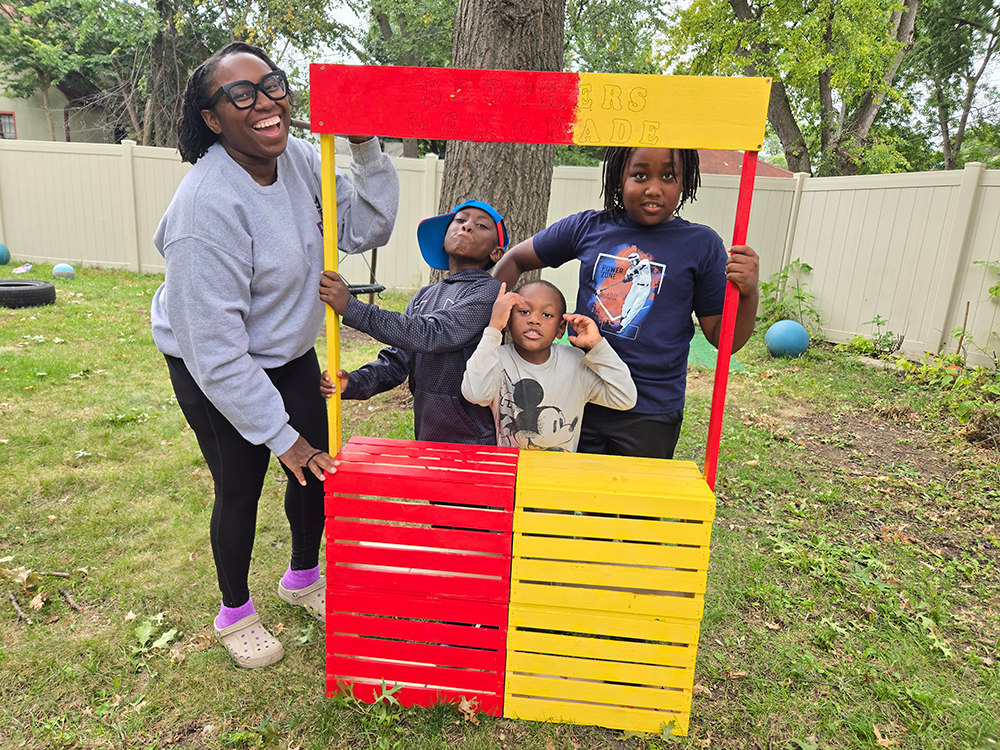
Danielle has spent much of her life caring for children.
As an older sibling, she naturally stepped into a caregiving role. Later, she earned a degree in elementary education, served in an afterschool program while working at the YWCA, and built a career supporting young people. But it wasn’t until she became a mother that she began to understand the profound responsibility adults carry during a child’s earliest years.
“I already took the job of being before children very seriously,” she says. “But when I had my own children, I realized a deeper responsibility – an accountability to steward their lives and steward it well.”
As she cared for her own children and the children of family and friends, Danielle found herself wanting to learn more about child development. The more she learned, the more convinced she became that the earliest years lay the foundation for how children learn, build relationships, and develop a sense of who they are.
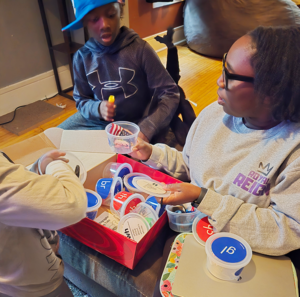 She remembers pondering: How much of who we become is already taking shape when we’re young?
“I started asking my mom and other parents who had adult children, would you say that who your child was at 5 years old is who they are now?” she says.
That curiosity shaped her belief that learning doesn’t begin when children enter school.
“It’s not this emptiness [that] you just hold and hug and feed, and then all of a sudden when they’re school age you start teaching them,” she says. “They were learning all along the way.”
Seeing Every Child
Danielle continued growing her knowledge and skills, including pursuing a Montessori certification. While completing the certification, she enrolled her children in child care and experienced firsthand some of the challenges families face when their children need individualized support.
“You can’t serve well and serve deep with [a high] volume of children,” she says.
The experience reinforced her desire to create an environment where children could be known as individuals.
“I honestly think that everybody should have an individualized plan,” she says. “There should be some essence of what this child needs, wants, who they are, what you’re cultivating, and what you’re pulling out of them or supporting them in.”
Finding the Courage to Begin
With her Montessori training experience, Danielle connected with Think Small and found support for starting her child care business through the Child Care Wayfinder Program. Think Small provided coaching, training, support navigating licensing, and connection to funding for educational resources.
The greatest challenge, however, wasn’t licensing or financing.
“What I had to develop to actually start the program was the courage,” Danielle says.
Her Think Small coach, Leah, helped her recognize that what she needed most wasn’t more preparation. It was confidence in the knowledge and experience she had already gained.
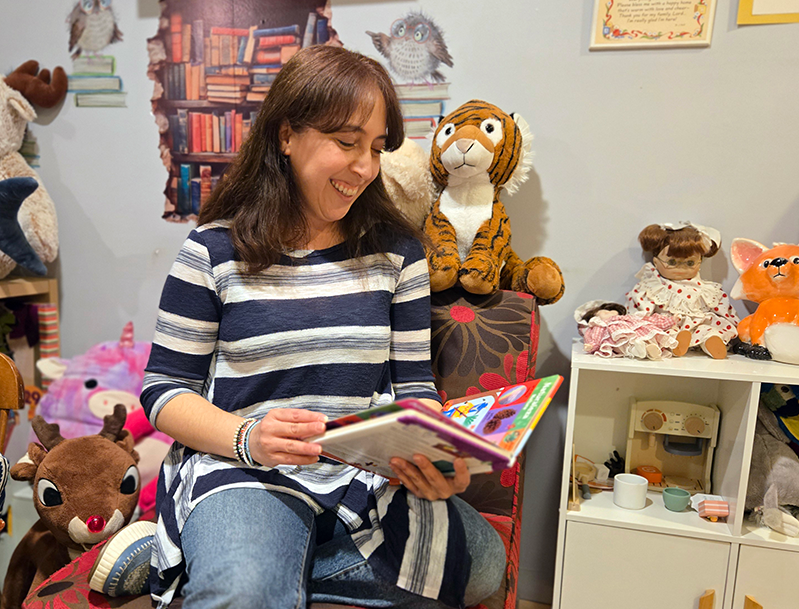
Today, Danielle operates a licensed family child care program serving seven children. While she has room to grow, her goal has never been to simply fill every available space. Instead, she is intentionally building a program centered on meaningful relationships and learning tailored to each child’s needs and interests.
Children learn through hands-on experiences, exploration, and discovery. Danielle believes learning opportunities are everywhere if adults take the time to notice them.
“Every experience gives the opportunity for learning to happen if you have an open mind and are present enough to see what each person can get from it,” she says.
Strong Identities and Relevant Skills
Just as important as academic skills is helping children develop a strong sense of identity.
When her children were enrolled in child care, Danielle had spent time reviewing curriculum materials and searching for books and stories that reflected the experiences of her own children. Too often, she found limited representations of Black children and families. This strengthened her commitment to creating learning environments where children can see themselves reflected positively and authentically.
“You need to be able to read and write and compute, but you also need to have a pride in yourself, in who you are, and the family that you come from.”
Today, that belief guides the program she continues to build. Danielle wants children to develop the confidence to explore their interests, recognize their strengths, and understand their value.
“I would like children to leave the program we’re building with strong identities and relevant skills for the world in which they live.”
Think Small works to ensure every child has access to quality care and education they need to enter kindergarten ready to learn. If you’d like to support this work, please consider making a donation today.