Everyone’s favorite season is upon us. With pumpkins on porches and leaves changing colors, we are also seeing the yard signs popping up and candidates on the news. Not only is it autumn, but it’s also… election season! *hold for applause*
As friends and families discuss the issues closest to them, you might feel like you want to have a voice! But when someone brings up “getting involved,” you aren’t even sure what that might mean for you.
I mean, you’d love to, but… HOW?
It takes a village. Advocacy is a community of people filling the roles that suit their personalities and their availability. There are many roads in, but if this is your first time, let’s take a look at a few ways to start getting involved.
Find a role that feels like the right fit!
Informed Voter
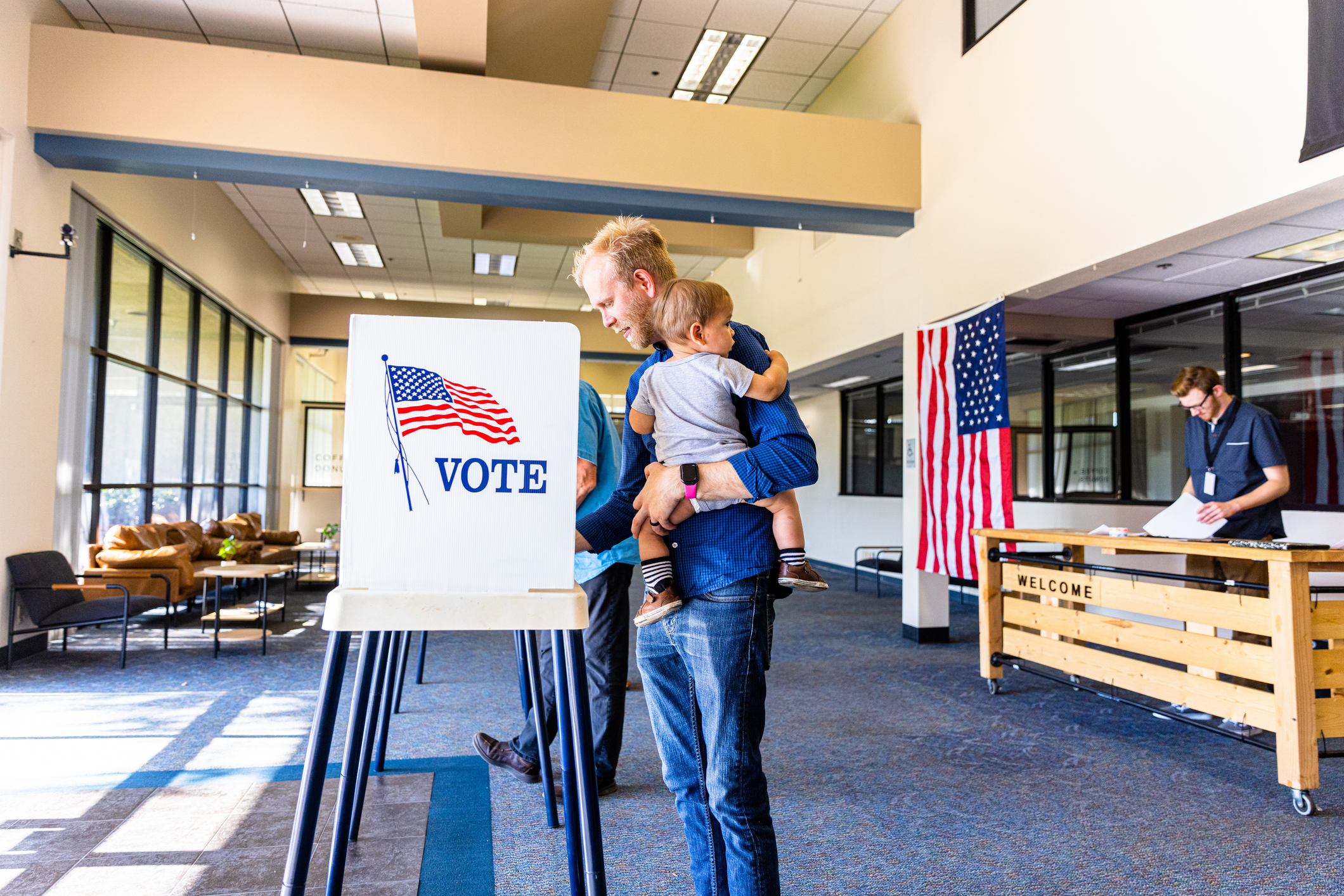
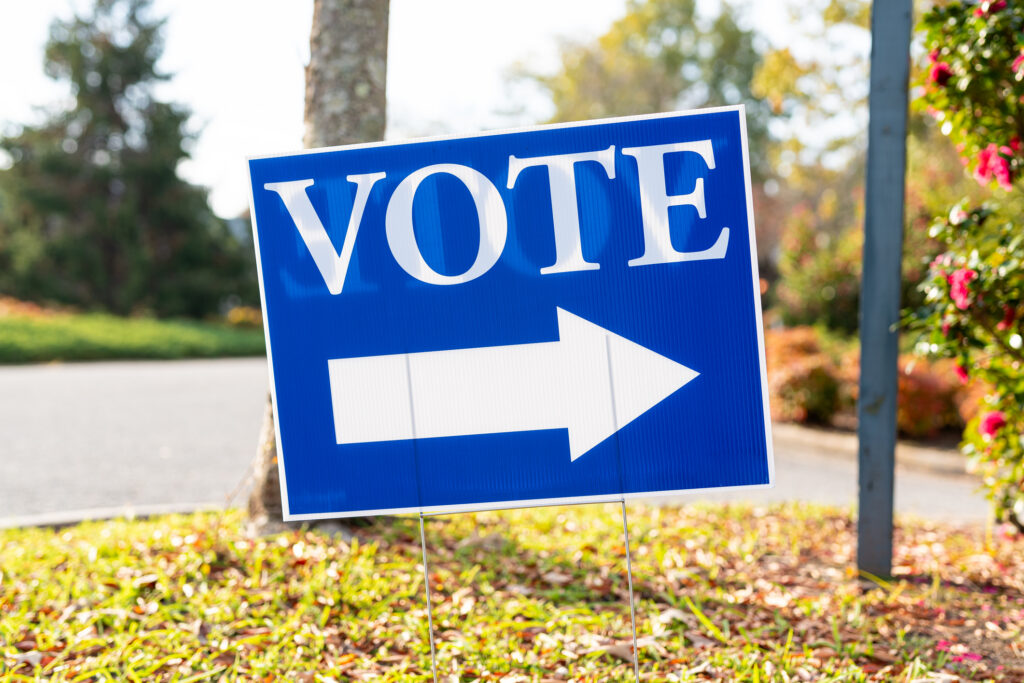
Have limited time but want to take a first step? Confirm that you are registered to vote and find your polling place online.
Make your plan to vote. You can do this by answering these questions:
- Will you vote early or on Election Day? Here’s information on early voting.
- Will you mail in your ballot or vote in person? Here’s how to vote by mail.
- What time of day will you vote? Before or after work?
- When do your polls open and when do they close? Check out voting hours.
Research candidates and ballot issues before you go. You can review your sample ballot in advance. Get together with family and friends and help them do the same. Being an informed voter can be a group activity!
Conversationalist
Would you like to do something with others? Do you like talking and building relationships? (I’m looking at you, child care providers and educators. All we do is build relationships!)
Your entry point for advocacy could be just that, a community connector!
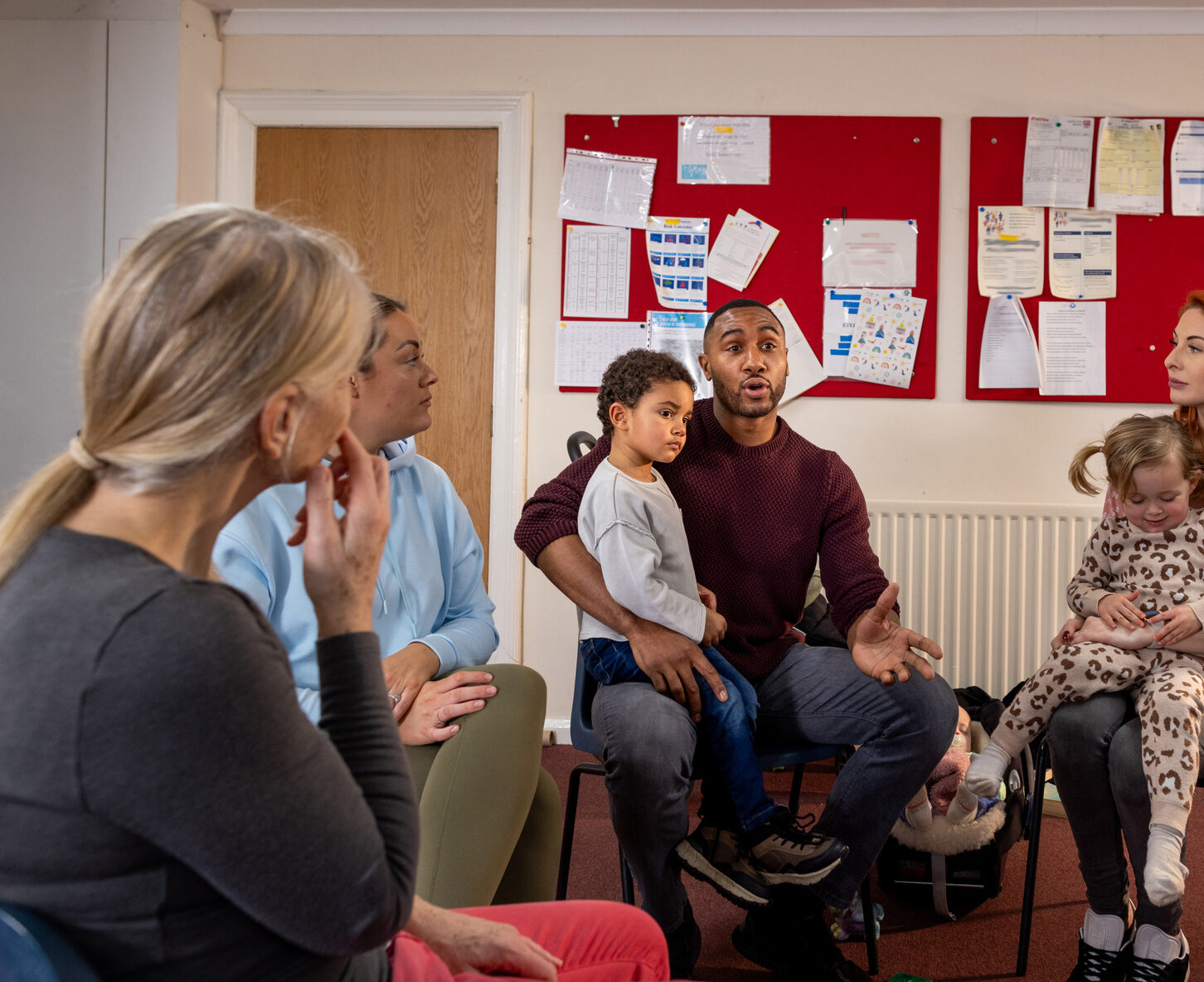
Invite neighbors, friends, family members, or people you are close with, to discuss what they’ve read and heard about their candidates. Help them identify who their candidates are. If they are unsure about engaging in conversation around candidates, discuss what barriers they feel around these conversations.
This role is about engaging others around you, not about changing anyone’s mind. Be sure to be an active listener. Ask questions about what others have said or how they decided on that position. Be prepared not to fully agree, and you may leave the conversation agreeing to disagree. That is okay!
For those around you who are interested in engaging in these conversations more, the next steps might be to invite them to candidate forums or other community meetings with candidates!
Door-Knock Responder
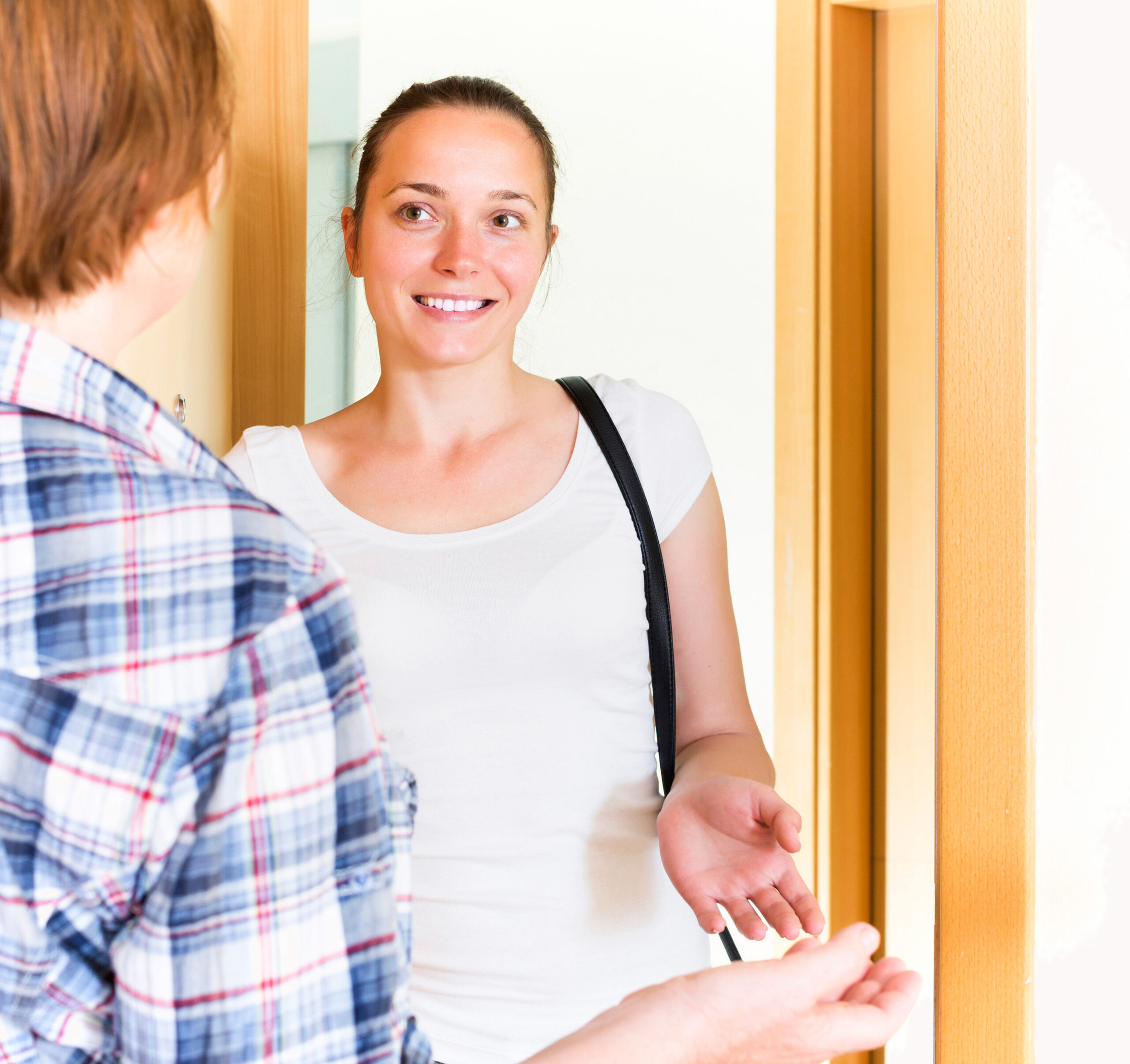
If you would like to go a step further in your conversations, consider answering the door when a candidate or their team comes knocking.
In advance, you can write questions you have for your candidate. Keep your list of questions near the door, in your wallet, or on your phone.
Types of questions you could ask are:
- What are the first bills you would be trying to get onto the agenda if you are elected?
- Which of your proposed policies require funding that doesn’t already exist?
- Where do you propose that funding would come from?
Questions specific to early childhood could sound like:
- What is your position on child care or early education?
- Are you informed about the importance of early childhood education?
- What role do you see yourself playing in early childhood education policy?
Election Worker
A community-facing person who wants to be a part of fair and free elections might consider working at the polls as an election judge. This is a more formalized role than the others on this list. Information and applications to apply in your county can be found online.
As an election judge, you help prepare polling locations, welcome voters, explain procedures, and check registrations.
Remember!
These are just ideas. You don’t have to perform all of these roles, but together as a community we can cover what suits each of our strengths. You do not have to become a full-time organizer or understand every part of government to make a meaningful contribution. Whether you cast an informed ballot, volunteer for a campaign, serve as an election worker, contact an official, or bring neighbors together, you are no longer watching change from the sidelines. You are helping shape it.